Traci Ruble, LMFTA guided educational practice
A guided repair practice

Before You Apologize

For partners coming back together after conflict
7 short sectionsAbout 8–10 minutesPersonalized Repair Card

Of course. Your feelings make perfect sense.

Conflict shrinks our thinking to protect, protect, protect, which can mean that, to our mind, our partner becomes the enemy.

You might feel so certain right now about your side of the story that it is hard to see much else clearly. I don't want you to force yourself out of the state you're in.

What I do hope is that this practice we're about to do together will help you feel a little steadier and make just enough room for curiosity to enter. From there, you can decide more effectively what is yours to repair. You with me?

This tool is designed to be used soon after a conflict with a romantic partner, ideally on the same day or while the residue is still lit up. It can still help days later, and some people find it useful with other close relationships too.

Your answers stay in this browser. Nothing is sent to Traci.
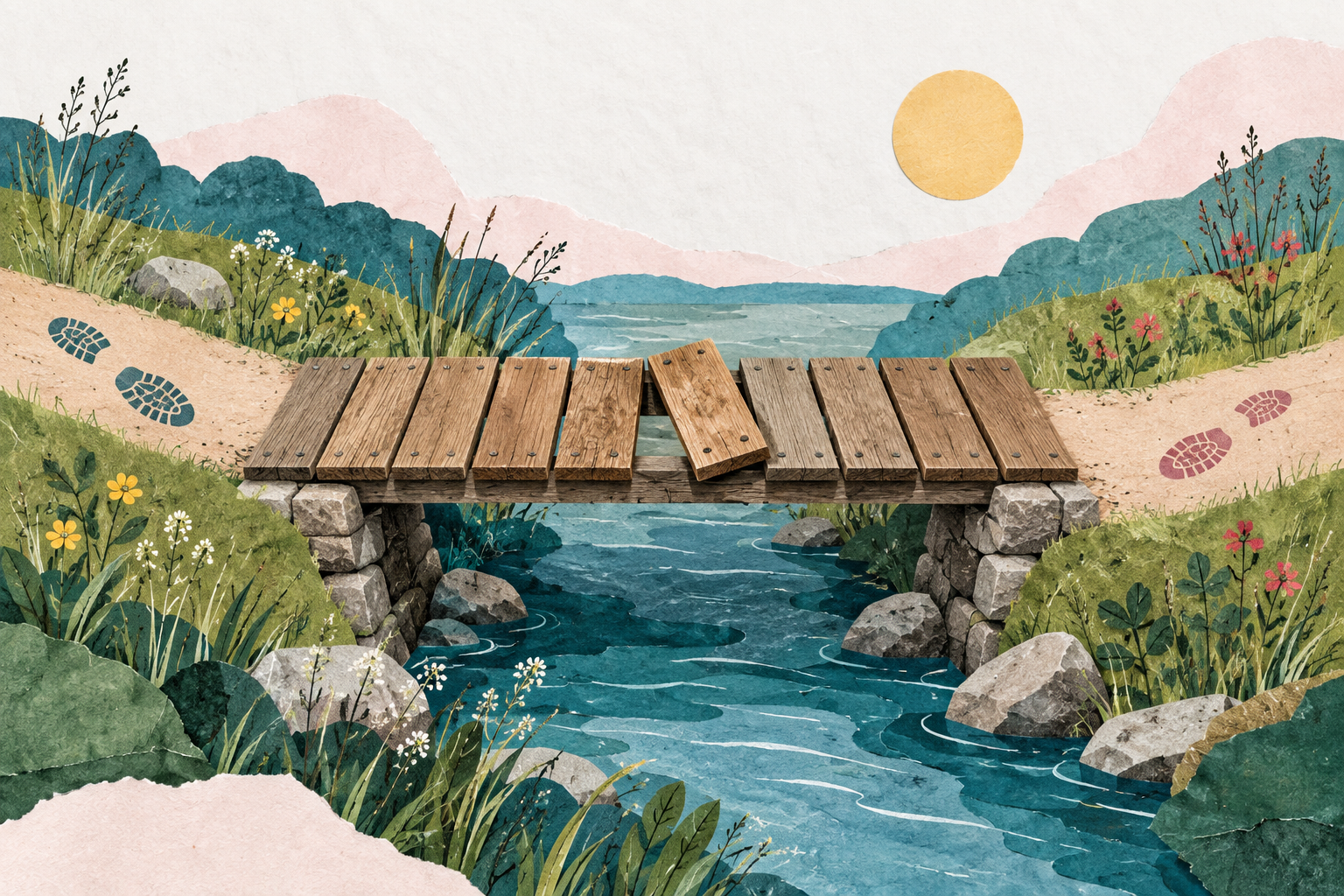
A wooden footbridge with one loose board
Repair is not admitting you're bad.

The connection bridge got a board knocked loose. Repair is putting the board back.

First, I come sit beside you

Where are you right now?

Before we do anything with the conflict, would it be okay to notice what it's like inside you? Choose as many as fit.

01
Whatever you picked: okay.

Let's not change, fix, or analyze what you feel. Let's come sit beside these feelings with kindness. I don't want to fire that hardcore attorney in your head. We need them sometimes. We just want to sit beside them for now and say, “I hear you. You aren't alone.” Okay?
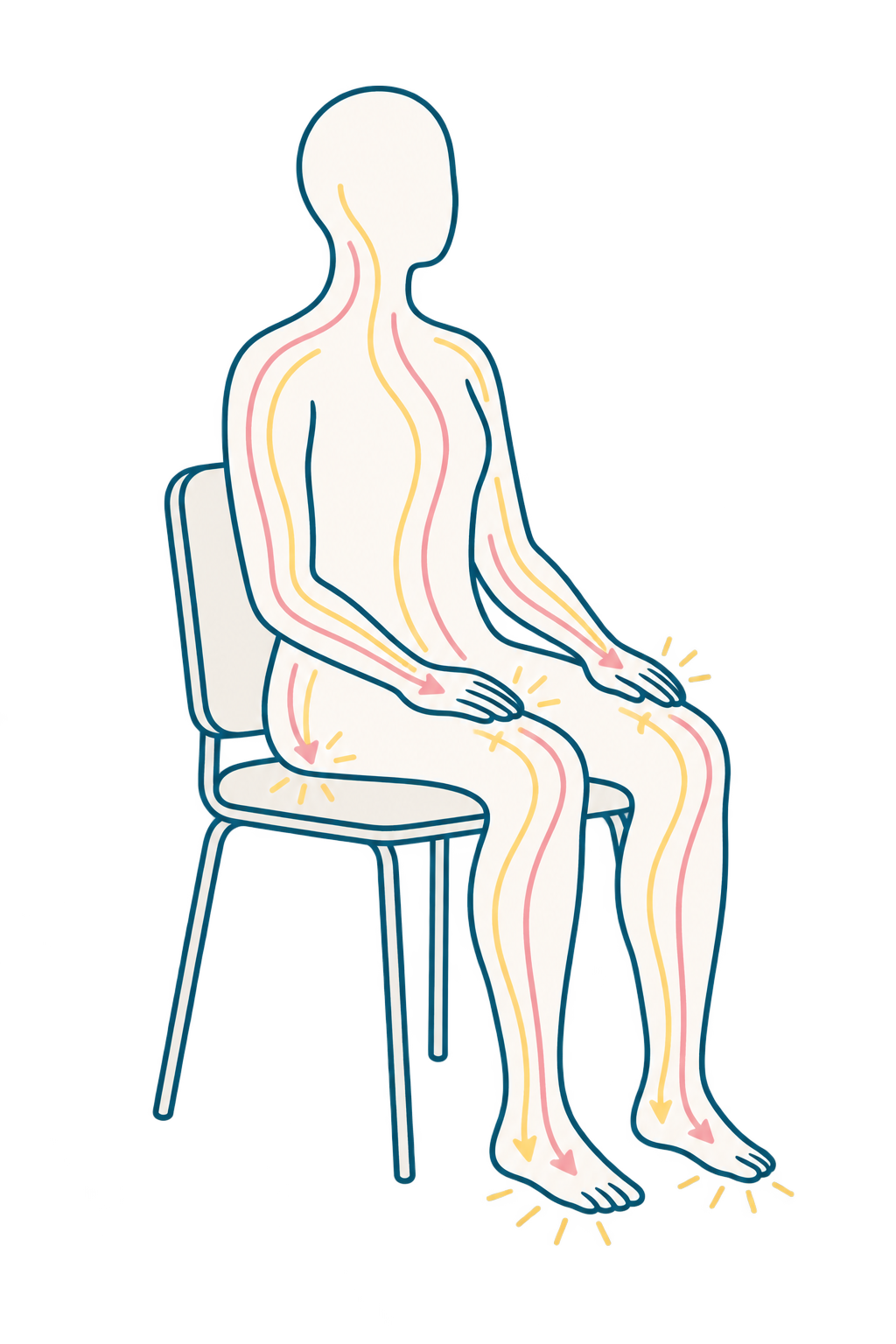
A nongendered body seated in a chair with sensation moving toward points of support
Helpful Tip
Feel where your body is supported. Chair. Floor. Bed. Wall. Whatever is holding you up. Don't make yourself calm. Just notice that you're here.

Event ≠ feeling ≠ conclusion

What happened?

Now that you're with your feelings and your body a little more, let's separate what happened from what your mind had to say about it. When we're activated, those can fuse together very quickly.

02
WHAT HAPPENED

“They walked out while I was talking.”

WHAT I FELT

“Dismissed. Angry. Hurt.”

WHAT MY MIND DECIDED

“They don't give a shit about me.”

Your mind's story might contain something important. We're not throwing it away. We're making room to notice that an event, a feeling and a conclusion aren't exactly the same thing.

A small Schema Therapy map

Which way did you move?

If you can stay with me here, let's look at what you did when things got hard. Most of us have a few favorite moves. Check everything that fits. The move with the most checks will become your standout move, but you can move among all three.

03

DOMINATING / SELF-ASSERTING

I moved toward my position and away from yours.

Healthy self-assertion: I can clearly name what I think, need, or will not accept while staying interested in you.

SURRENDERING / CONNECTING

I moved toward you and away from myself.

Healthy connection: I can care about your experience, stay open, and remain connected without abandoning myself.

WITHDRAWING

I moved away from both of us.

Healthy withdrawal: Sometimes stepping away is necessary. I can name the pause and make a clear plan to return.
Your standout move: Check the moves that fit and I will reflect the pattern back to you.

None of these moves is a judgment about you as a person. Humans try to solve relational problems in patterned ways. Inside each move are healthy ways of being assertive or connecting, and sometimes it is necessary to withdraw. What matters is the rigidity or lack of choice some of these moves operate from.

Protection before judgment

What were you protecting?

Would it be okay to get curious about what is underneath your move of protecting yourself? You don't have to dig up your entire childhood. Promise. When we know what we were protecting, we can care for ourselves better. That care usually helps us slow down and see our part a little more clearly.

04

When you protected yourself that way, what did the other person seem to do next?

Did their response make you do more of your move?
BIG
AH-HA

Your protection can shape what comes back.

Sometimes the way we protect ourselves accidentally helps create the response we expected or feared. Humans recreate this cycle over and over again.

Knowing this does not let the other person off the hook. It gives you more agency to wonder, “How can I foster more of the responses I want from my partner during conflict and repair, instead of fostering the responses I least want?”

No matter how much of a jerk your partner may have been, how you choose to show up can help create a different response between you. Wild, right?

Your first story can stay

Can we make the story a little bigger?

I am not asking you to give up your version, side with the other person, or give them a hall pass for bad behavior. I am interested in helping you develop the very empowering skill of holding more than one story about what just happened in this conflict at the same time. It is a bit like building stronger muscles, but for your mind.

05
Responsibility without self-erasure

Which board is yours?

Remember, repairing is not about finding out who was right and who was wrong. With a romantic partner, repair often means saying, “Gosh, this stopped the connection between us.” Sometimes the apology is “I am sorry I was a jerk.” Often it is the practice of repairing our bridges of connection. My friend, this is a necessary skill in healthy relating. We repair boards in the bridge all day, every day.

06
The loose board in the bridge
“You don't have to take responsibility for every loose board. But is there a board here that's yours?”

Now that we have been exploring together, what are you aware is your board to repair? Pick as many as feel true for your part. It takes a lot of grace and humility. I know.

Words and what comes after

What Repair Move Can You Make Now?

07
A smiling paper collage globe surrounded by gentle ripples and hearts
You have arrived to this brave moment.

I do hope you realize that when you choose to do this work, you impact the whole world. You, right now, are contributing to peace in the world just by working on this stuff inside your relationship. It really does ripple out.

Apology is an important part of repair, but it is often the least important part. It is these other things you do alongside the apology that often matter most. Which do you feel would be most helpful in this conflict?

Repair isn't something you get to determine entirely by yourself. You can bring your board. You may still need to ask the other person what would help reconnect the bridge.

Your Repair Card

You found your board.

My hope is this Repair Card makes you feel softer toward yourself and toward your partner. We are learning together right now, so I also hope you don't pressure yourself to repair perfectly. More than anything, I want this to feel like a caring map for helping you come back into relationship with your partner.

The connection bridge ready to be repaired

WHAT I CAN SEE NOW

THE MOVES I MADE

What I may have protected:

MY BOARD

What I regret:

What I can own:

WHAT I DON'T KNOW YET

WHAT REPAIR MAY NEED

WHAT I WILL DO DIFFERENTLY

You don't need to nail this conversation. Go low and slow. Bring your curiosity. Own your board. Listen for what you still don't know.

And if another board comes loose eventually? Yeah. Humans. Come back and repair again.

If you are a current psychotherapy client of Traci's and want to email her your Repair Card, download the results and send them to traci@traciruble.com.

If you are not a client, you can schedule a 20-minute consultation call with Traci to determine whether she is a match for working with you.

Repair Card copied